
LED display as a widely used in advertising, stage, stadiums and other fields of display equipment, one of its core parameters is “pitch”. For ordinary consumers or first contact with the LED display, the concept of “pitch” may be somewhat strange, but it is an important indicator to measure the performance of the LED display and application scenarios. In this article, we will analyze the meaning of LED display spacing, classification and its impact on the display effect.
First, the definition of LED display spacing
LED display spacing, usually expressed in “P”, refers to the distance between the center point of two adjacent LED lamp beads, the unit is millimeter (mm). For example, P2.5 indicates that the center distance between two lamp beads is 2.5 mm. The size of the pitch directly determines the resolution and clarity of the display, the smaller the pitch, the greater the number of lamp beads per unit area, the more delicate the display screen.
Second, the classification of pitch
According to the size of the pitch, LED display can be divided into the following categories:
1. small pitch LED display (P ≤ 2.5mm)
Small spacing display with high resolution and high definition, suitable for close viewing scenes, such as conference rooms, control rooms, high-end commercial display. As its display effect is close to that of LCD screen, it has become more and more popular in indoor applications in recent years.
2. Conventional pitch LED display (2.5mm<P≤10mm)
Conventional pitch display is suitable for medium and long distance viewing scenes, such as shopping mall advertising screen, stage background screen, etc.. It strikes a good balance between cost and display effect, and is the most widely used type in the market.
3. Large Pitch LED Display (P>10mm)
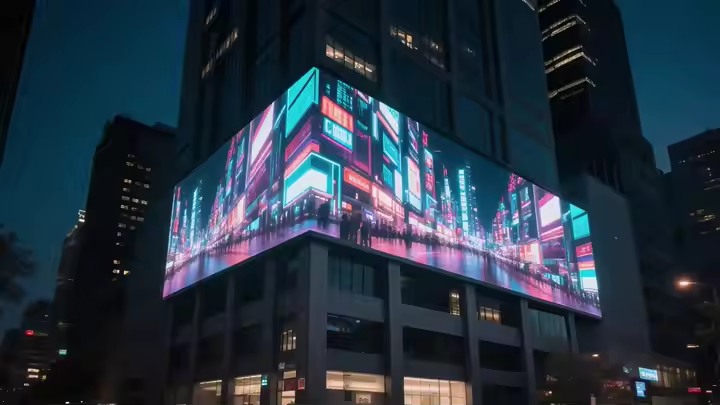
Large-pitch display is mainly used for long-distance viewing scenarios, such as outdoor billboards, stadiums big screen, etc.. Due to the long viewing distance, the requirements for resolution are relatively low, but higher brightness and waterproof performance are required.
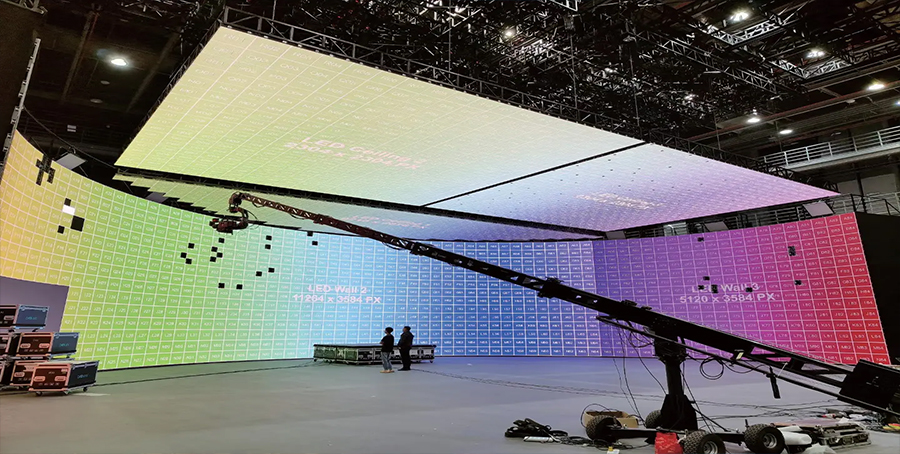
Third, the spacing of the impact on the display effect
1. resolution and clarity
The smaller the pitch, the greater the number of LED lamp beads per unit area, the higher the resolution, the clearer the display screen. For example, P1.25 display than P2.5 display in the same area can show more details, suitable for the higher requirements of the picture quality of the scene.
2. Viewing distance
The spacing determines the optimal viewing distance of the display. Generally speaking, the optimal viewing distance (meters) = pitch (mm) × 2. For example, the optimal viewing distance of P3 display is 6 meters. If the viewing distance is too close, the large pitch display will appear obvious graininess, affecting the visual effect.
3. Cost and power consumption
The smaller the pitch, the more complex the manufacturing process, the higher the cost, while power consumption will also increase. Therefore, when choosing the LED display, you need to weigh the relationship between pitch and cost according to the actual application scenario and budget.
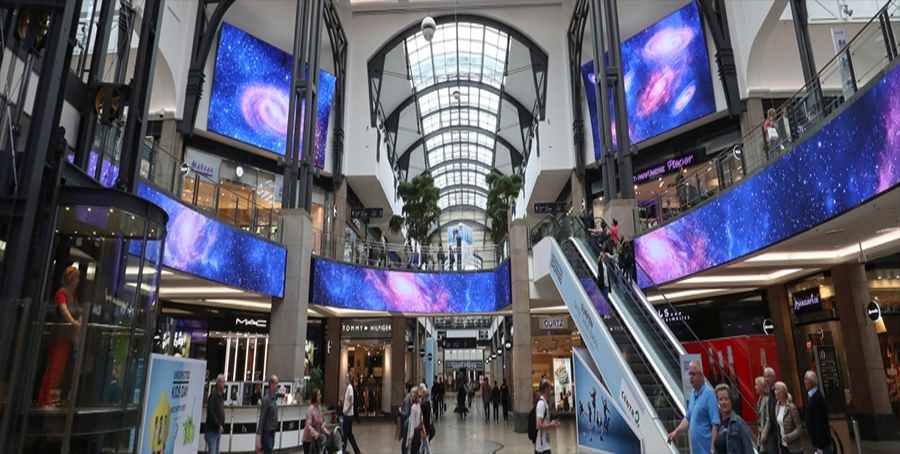
IV. How to choose the right spacing?
1. Indoor scenes
In indoor scenes, the viewing distance is close, usually choose small pitch display (such as P1.25, P1.53, P1.86, etc.) to ensure a clear and detailed picture.
2. Outdoor Scene
In outdoor scenes, the viewing distance is far away, you can choose regular pitch or large pitch display (such as P4, P5, P6, etc.) to reduce the cost and meet the needs of long-distance viewing.
3. Special Scene
For stage performances, exhibitions and other special scenes, you can choose shaped screen or transparent screen according to the creative needs, and the choice of pitch should be combined with the specific design.
 Creative Shaped LED Screen
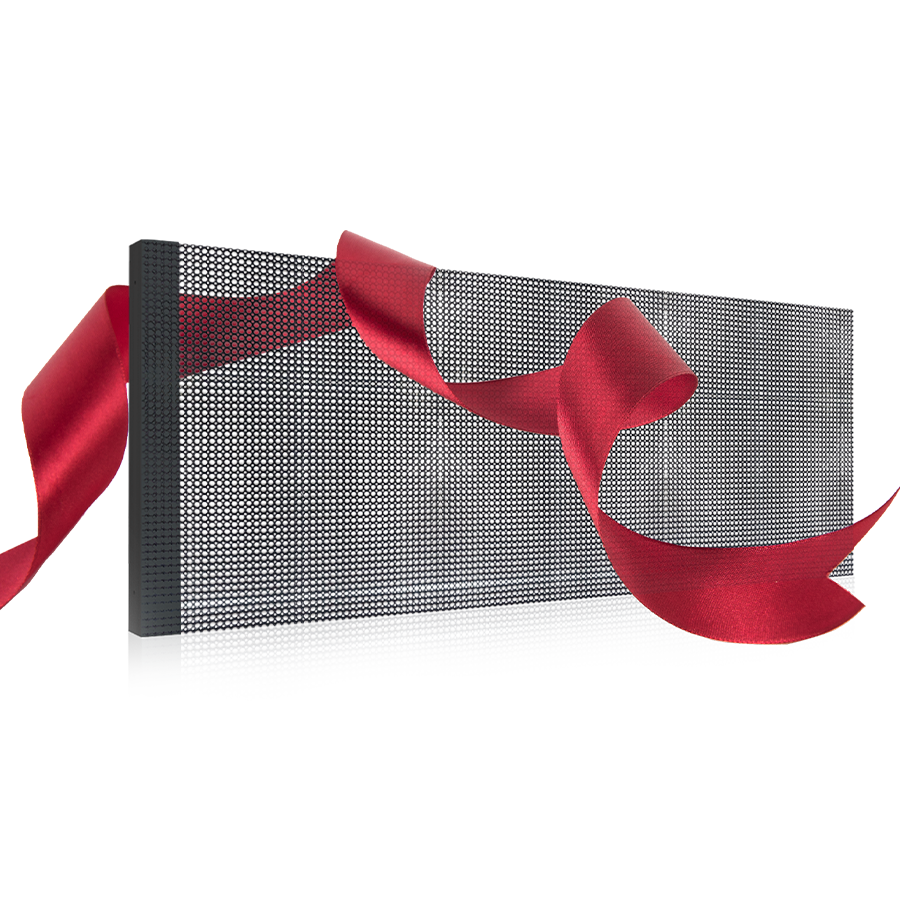 holographic invisible LED screen
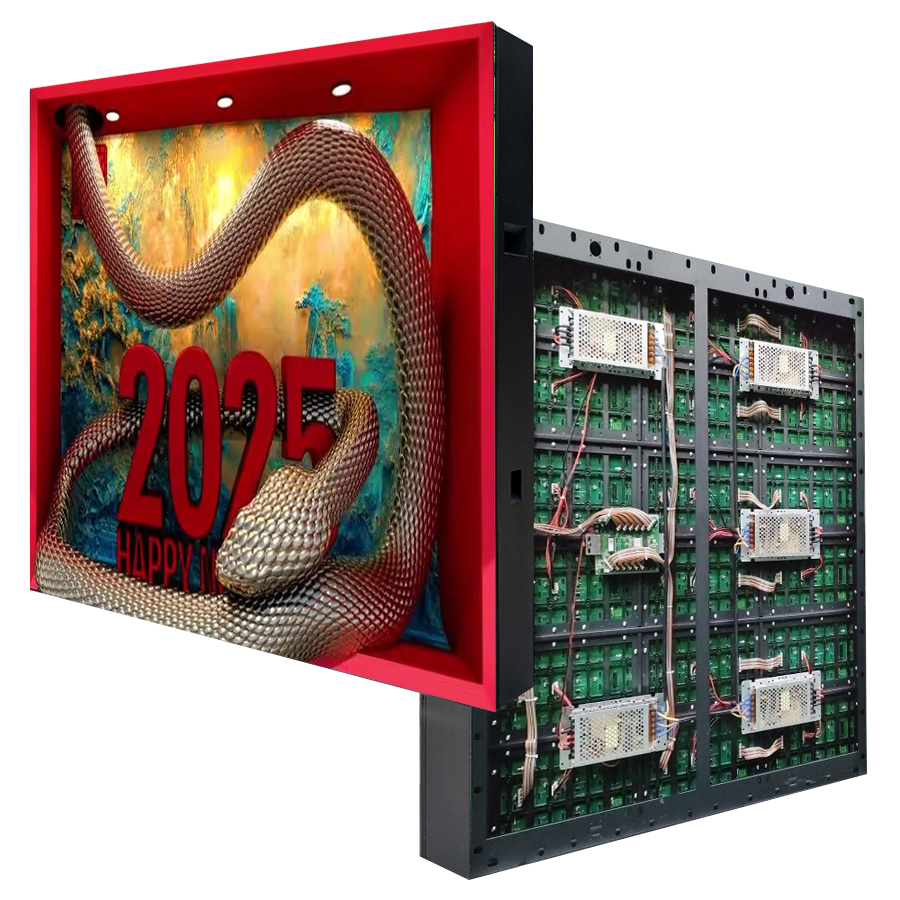 Outdoor LED screen
 August 15,2026
 August 03,2026
 August 02,2026
Copyright ©2025 All Rights Reserved by Shenzhen Argo Optoelectronic Technology Co.,Ltd.